Rodent infestation is a persistent problem that affects residential, commercial, and industrial properties alike. Rodents are highly adaptable creatures capable of thriving in a wide range of environments, especially those that provide easy access to food, water, and shelter. Once rodents establish themselves indoors or around a structure, they can multiply rapidly and become difficult to control without a strategic approach. Understanding why rodent infestations occur, the risks they pose, and the most effective control methods is essential for protecting property, health, and long-term safety.
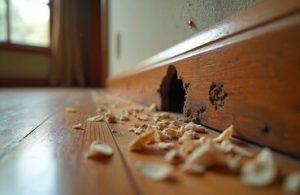
Many property owners underestimate how quickly a minor rodent issue can escalate into a serious infestation. What may start as occasional noises or droppings can soon develop into structural damage, contamination, and health concerns. Rodents are not simply a nuisance; they are destructive and potentially dangerous pests. Taking a proactive and informed approach to Rodent Retreat control is the best way to prevent small problems from becoming costly and disruptive situations.
What Is Rodent Infestation?
Rodent infestation occurs when rodents such as rats or mice invade a building or surrounding area and establish nesting, feeding, and breeding activity. These infestations can take place in homes, offices, warehouses, restaurants, and other structures where conditions support rodent survival. Rodents are nocturnal and often go unnoticed in the early stages, which allows their population to grow unchecked.
Infestations are not limited to older or poorly maintained buildings. Even well-kept properties can experience rodent problems if entry points exist or food sources are accessible. Rodents can squeeze through extremely small openings and are excellent climbers and burrowers. Their ability to adapt makes them one of the most challenging pests to eliminate once they gain access to a structure.
Common Causes of Rodent Infestation
Understanding the root causes of rodent infestation is critical for both prevention and control. Rodents are driven by survival instincts, and they will seek environments that offer warmth, food, and protection from predators. Human activity often unintentionally creates ideal conditions for rodents to thrive.
One of the primary causes of rodent infestation is easy access to food. Improperly stored food, uncovered trash, and food residue attract rodents quickly. Even small crumbs or pet food left overnight can be enough to sustain a rodent population. In commercial environments, food preparation areas and storage spaces are especially vulnerable if sanitation practices are inconsistent.
Structural vulnerabilities also play a major role in rodent infestation. Cracks in walls, gaps around doors, damaged vents, and openings around utility lines provide easy entry points. Rodents constantly gnaw to keep their teeth trimmed, which means they can enlarge existing gaps over time. Poor maintenance increases the likelihood that rodents will find a way inside.
Environmental factors further contribute to infestations. Cluttered storage areas, overgrown vegetation, and debris around a building create hiding and nesting spots. Seasonal changes can also drive rodents indoors, especially during colder months when outdoor resources become scarce. Without preventive measures, these factors combine to create ideal conditions for infestation.
Signs of a Rodent Infestation
Identifying a rodent infestation early can significantly reduce damage and control costs. While rodents often remain hidden, they leave behind clear signs of their presence. Recognizing these indicators allows property owners to take action before the problem escalates.
Some of the most common signs of rodent infestation include:
- Droppings are found near food sources, along walls, or in hidden areas such as cabinets and storage rooms.
- Gnaw marks on wires, wood, packaging, or furniture.
- Scratching or scurrying noises coming from walls, ceilings, or floors, particularly at night.
Additional signs may include nesting materials such as shredded paper or fabric, unpleasant odors caused by urine, and grease marks along walls where rodents frequently travel. Ignoring these warning signs allows rodents to breed and spread, making eradication far more difficult over time.
Health Risks Associated With Rodent Infestation
Rodent infestation poses serious health risks to occupants of affected properties. Rodents are known carriers of various diseases, which can be transmitted through direct contact, contaminated surfaces, droppings, urine, or bites. Even indirect exposure can lead to health issues, particularly for children, the elderly, and individuals with weakened immune systems.
Rodents also contaminate food supplies and food preparation areas. Their constant movement across surfaces spreads bacteria, increasing the risk of foodborne illnesses. Inhaling particles from dried droppings or urine can also cause respiratory problems. These health risks make rodent control a critical aspect of maintaining a safe and sanitary environment.
Beyond disease transmission, rodents contribute to allergy and asthma issues. Their fur, dander, and waste particles can trigger allergic reactions and worsen respiratory conditions. Over time, continuous exposure can significantly impact indoor air quality and overall well-being.
Property Damage Caused by Rodents
In addition to health concerns, rodent infestation can result in extensive property damage. Rodents have strong teeth that grow continuously, prompting them to gnaw on almost anything. Electrical wiring, insulation, wooden structures, and plumbing components are common targets. This behavior increases the risk of electrical failures and even fire hazards.
Rodents also damage walls, ceilings, and flooring by burrowing and nesting. In commercial settings, damaged inventory and packaging can result in financial losses and operational disruptions. Repairing rodent-related damage often costs far more than implementing preventive control measures early on.
Over time, unchecked rodent activity can weaken structural integrity and reduce property value. For businesses, visible rodent issues can harm reputation and customer trust. These consequences highlight the importance of addressing infestations promptly and effectively.
Effective Rodent Control Methods
Successful rodent control requires a comprehensive approach that targets both existing rodents and the conditions that attract them. Relying on a single method is rarely effective, especially for established infestations. Integrated strategies deliver the best long-term results.
One key component of rodent control is exclusion. This involves sealing entry points and reinforcing vulnerable areas to prevent rodents from gaining access. Gaps around doors, vents, and utility lines should be closed using durable materials. Exclusion not only stops current rodents but also prevents future invasions.
Sanitation is another critical control method. Eliminating food and water sources reduces the appeal of a property to rodents. Proper waste management, regular cleaning, and secure food storage are essential practices. In commercial environments, strict sanitation protocols play a major role in long-term rodent prevention.
Trapping and baiting are commonly used control techniques to reduce rodent populations. These methods must be applied carefully and strategically to be effective. Improper placement or inconsistent monitoring can limit success. Combining population control with exclusion and sanitation ensures more reliable outcomes.
Preventive Measures for Long-Term Control
Preventing rodent infestation is far more effective and cost-efficient than dealing with an established problem. Preventive measures focus on making the environment less attractive and accessible to rodents. Consistency is key, as even small lapses can provide opportunities for rodents to return.
Important preventive practices include:
- Regular inspection of building exteriors and interiors to identify potential entry points.
- Maintaining clean surroundings and minimizing clutter that can serve as nesting areas.
Landscaping also plays a role in prevention. Keeping vegetation trimmed away from buildings and removing debris reduces hiding places. Proper drainage eliminates standing water, which rodents rely on for survival. These measures work together to create an environment that discourages rodent activity.
Ongoing monitoring is essential for long-term control. Even after an infestation is resolved, routine checks help detect early signs of rodent presence. Early intervention prevents minor issues from developing into full-scale infestations again.
The Importance of Professional Rodent Control
While some property owners attempt do-it-yourself solutions, professional rodent control often provides more reliable and lasting results. Experienced professionals understand rodent behavior, nesting habits, and movement patterns. This knowledge allows them to design targeted control strategies that address the root of the problem rather than just the symptoms.
Professional control services typically include thorough inspections, customized treatment plans, and ongoing monitoring. These comprehensive solutions reduce the risk of reinfestation and ensure compliance with safety standards. For large or recurring infestations, professional intervention is often the most effective option.
Investing in professional rodent control can also save money in the long run. By preventing extensive damage and health-related issues, property owners avoid costly repairs and potential disruptions. Professional expertise adds an extra layer of protection and peace of mind.
Why Early Action Matters
Delaying action when signs of rodent infestation appear can lead to rapid population growth and increased damage. Rodents reproduce quickly, and a small infestation can become severe within a short period. Early intervention limits the scope of the problem and simplifies control efforts.
Prompt action also reduces health risks and minimizes exposure to contaminants. Addressing rodent issues early protects occupants and helps maintain a clean, safe environment. Whether in a home or commercial setting, early response is one of the most important factors in successful rodent management.
Thoughts on Rodent Infestation and Control
Understanding rodent infestation, including its causes, risks, and control methods, is essential for protecting property and health. Rodents are resilient pests that exploit weaknesses in sanitation and structure, making prevention and vigilance crucial. By recognizing warning signs, addressing contributing factors, and implementing effective control strategies, property owners can significantly reduce the likelihood of infestation.
Rodent control is not a one-time effort but an ongoing process that requires awareness and maintenance. Long-term success comes from combining prevention, monitoring, and timely intervention. With the right approach, it is possible to manage rodent risks effectively and maintain a safer, healthier environment for everyone involved.