Pest Control Solutions for Modern Homes

Pests invade when least expected. They disrupt comfort, damage property, and pose health risks. Modern Ben’s Pest Control goes beyond spraying chemicals. It blends science, strategy, and prevention to restore balance.
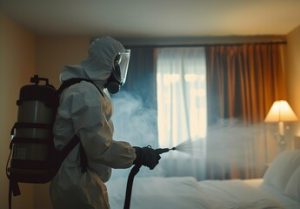
Pest Control

Understanding pest behavior is essential. Each species has unique patterns, habitats, and vulnerabilities. Professionals study these to design targeted interventions. This approach reduces unnecessary treatments and enhances efficiency.

Digital monitoring has transformed pest management. Sensors and cameras detect infestations early. Data analysis predicts hotspots before damage spreads. Technology allows proactive measures instead of reactive fixes.

Integrated pest management focuses on long-term solutions. It combines chemical, biological, and environmental strategies. This reduces reliance on harsh pesticides. Home safety and sustainability remain top priorities.

Inspection is the first step in control. Experts evaluate structure, landscape, and sanitation practices. Every crack, corner, and hiding spot is checked. Early identification ensures precise treatment.

Customized solutions make modern pest control effective. Not all pests respond to the same methods. Plans are tailored to the infestation type, location, and severity. This personalized approach maximizes results.

Eco-friendly options are now widely available. Biodegradable sprays and traps reduce environmental impact. Natural predators can be introduced to control populations. Sustainability and safety are no longer optional in pest management.

Regular maintenance prevents reinfestation. Scheduling inspections and treatments keeps homes protected. Routine checks catch new threats early. Prevention is often more effective than cure.

Commercial spaces also benefit from advanced pest solutions. Businesses face risks from rodents, insects, and birds. Professional programs maintain hygiene standards. Consistent monitoring protects both customers and employees.

Education plays a critical role in prevention. Residents learn about sanitation, waste management, and structural care. Awareness reduces conditions that attract pests. Informed habits complement professional interventions.

Technology-assisted treatment improves efficiency. Automated sprayers and bait stations deliver precise dosages. This reduces chemical exposure and human error. It also allows monitoring without constant presence.

Rodent control has evolved significantly. Traps are smarter, more humane, and data-driven. Professionals track activity to identify nesting patterns. Targeted action reduces population without widespread harm.

Insect control requires careful strategy. Cockroaches, ants, and termites respond differently to treatment. Professionals select methods that eliminate colonies at the source. Persistent infestations are addressed without excessive chemical use.

Seasonal changes affect pest activity. Warm months increase insect activity, while rodents seek indoor shelter in cold periods. Awareness of these patterns helps in timely interventions. Preventive scheduling aligns with natural cycles.

Pest control extends to landscaping. Overgrown vegetation, standing water, and mulch piles can harbor insects. Experts modify surroundings to reduce habitats. Environmental management is a core component of effective solutions.

The human factor cannot be ignored. Clutter, poor sanitation, and untreated leaks encourage infestations. Professionals advise on behavioral changes. Simple adjustments reduce pest access and survival rates.

Monitoring tools now include smartphone integration. Clients can receive alerts and updates on pest activity. Reports and recommendations are delivered digitally. This convenience improves engagement and compliance.

Health considerations are paramount. Some pests carry diseases or trigger allergies. Timely intervention prevents exposure and contamination. Pest control is as much about wellness as it is about property protection.

Bird management is increasingly incorporated. Birds can damage structures and spread pathogens. Netting, deterrents, and habitat modification are used responsibly. Ethical solutions respect wildlife while protecting human spaces.

Termite control has become sophisticated. Baiting systems, soil treatments, and monitoring stations track colonies. Early detection prevents structural damage. Long-term strategies ensure lasting protection.

Waterborne pests are often overlooked. Mosquitoes and flies breed in stagnant water. Proper drainage and targeted treatment eliminate these threats. This reduces nuisance and disease risk simultaneously.

Emergency services handle sudden infestations efficiently. Some pest problems require immediate attention. Rapid response teams identify, contain, and eradicate threats quickly. Minimizing exposure time is crucial for safety.

Education extends to commercial staff. Training ensures daily habits support long-term pest control. Trash management, cleaning routines, and proper storage reduce attractants. Consistency complements professional efforts.

Data collection enhances strategy. GPS mapping of infestations and activity patterns helps optimize interventions. Historical data predicts seasonal risks. Analytics turn pest control into a proactive science.

Traps and baits are now more specialized. Each pest type requires specific lures or formulations. Precision reduces collateral exposure. Safety is maintained for humans and pets.

Chemical treatments are refined. Modern formulations minimize toxicity while remaining effective. Professionals calculate exact dosages to avoid overuse. Controlled application reduces environmental footprint.

Integrated programs reduce recurring issues. Combining inspection, treatment, prevention, and education creates comprehensive protection. Short-term fixes rarely address the root problem. Consistency ensures long-term success.

Urban environments present unique challenges. High-density living, shared walls, and limited outdoor space affect pest behavior. Custom strategies account for these factors. Solutions are tailored to urban living conditions.

Wildlife intrusion requires specialized techniques. Raccoons, squirrels, and bats demand humane exclusion. Professionals seal entry points while maintaining ethical standards. Conflict resolution blends expertise with compassion.

Routine audits track efficacy. Post-treatment evaluations measure success. Adjustments are made for evolving conditions. Continuous improvement is central to professional pest management.

Biological methods are gaining traction. Beneficial insects, nematodes, and microbial treatments reduce chemical reliance. Ecosystem balance is restored naturally. Science-driven solutions are both innovative and safe.

Professional pest control combines artistry with precision. Skilled technicians adapt to site-specific needs. Knowledge, technology, and experience intersect. Results are measurable, safe, and sustainable.

Insurance and documentation support liability management. Commercial clients often require proof of pest control. Accurate records demonstrate compliance with regulations. Transparency builds trust between clients and providers.

Education campaigns target recurring misconceptions. Not all pest problems are visible immediately. Understanding pest life cycles prevents premature conclusions. Awareness enhances cooperation and long-term effectiveness.

The industry is moving toward predictive solutions. AI and machine learning analyze patterns for preventive actions. Future infestations may be mitigated before occurrence. Technology amplifies human expertise in pest control.

Homeowners increasingly adopt a holistic approach. Combining structural repairs, sanitation, landscaping, and professional services addresses root causes. Infestations are prevented rather than repeatedly treated. Long-term investment reduces costs and stress.

Global challenges such as climate change affect pest activity. Warmer temperatures and altered rainfall patterns influence populations. Professionals adapt strategies to meet evolving environmental conditions. Flexibility is key in modern pest management.

Community engagement is also essential. Neighborhood-level coordination prevents cross-property infestations. Awareness campaigns, clean-ups, and shared schedules reduce risk collectively. Collaborative strategies amplify individual efforts.

Pest control is no longer reactive. Preventive measures, technology, and education empower residents. Modern solutions prioritize safety, sustainability, and effectiveness. Every intervention is part of a larger system of balance.

Ultimately, pest control protects more than property. It safeguards health, comfort, and peace of mind. Professional services combine science, ethics, and convenience. Effective pest management transforms homes and workplaces into safe, livable spaces.

This approach signals a new era in pest management. Every treatment is data-informed, eco-conscious, and tailored. Infestations are mitigated efficiently without compromising safety. The integration of technology, strategy, and human expertise ensures lasting results for modern living.

Visit our Professional Services Blogs

Neuro Terrain, Kevin Hawk Fishing, Sunset Hills, Sertoma Butterfly House And Marine Cove, Bowie Pest Control, Census Profiler, Robervin Construction
Commercial Water Damage Restoration: Minimizing Downtime and Business Interruption

Water damage is one of the most disruptive events a commercial property can experience. Unlike residential incidents, where inconvenience is the primary concern, commercial water damage directly affects revenue, productivity, customer trust, and operational continuity. Whether caused by burst pipes, roof leaks, malfunctioning sprinkler systems, appliance failures, or severe weather, water intrusion can halt operations within hours. For business owners and property managers, the primary objective is not only restoring the building but also minimizing downtime and business interruption. Professional commercial Water Damage Restoration Salt Lake City plays a critical role in achieving that goal.

water damage

When water enters a commercial facility, the damage extends far beyond visible puddles on the floor. Office equipment, inventory, electrical systems, structural components, and interior finishes are all at risk. Moisture migrates quickly through porous materials such as drywall, insulation, carpeting, and wood framing. Within a short period, trapped moisture can compromise structural integrity and create an environment conducive to mold growth. Without immediate and strategic intervention, what begins as a localized issue can escalate into a large-scale operational crisis.

The financial impact of downtime is often more severe than the cost of physical repairs. Lost sales, halted production, missed deadlines, and displaced employees can significantly affect profitability. In industries that rely on continuous service—such as retail, healthcare, hospitality, or manufacturing—even a brief closure can damage customer relationships and brand reputation. This is why commercial water damage restoration focuses not only on drying and cleanup but also on business continuity planning.

Rapid response is the foundation of minimizing downtime. Time is a critical factor in water damage scenarios. The longer moisture remains in contact with building materials and equipment, the more extensive the damage becomes. Professional restoration teams prioritize emergency response, arriving with specialized equipment to assess, extract, and stabilize the environment. Early intervention limits structural damage, reduces repair scope, and accelerates the timeline for reopening.

The initial assessment stage is particularly important in commercial settings. Restoration professionals conduct a comprehensive inspection using moisture meters, thermal imaging devices, and humidity monitoring tools. This process identifies both visible and hidden moisture. By accurately mapping the extent of water intrusion, restoration teams can develop a targeted action plan. Instead of shutting down entire facilities unnecessarily, they can isolate affected zones and focus resources where they are needed most.

Water extraction is typically the first active step in the restoration process. Industrial-grade pumps and extraction units remove standing water quickly and efficiently. In large commercial properties, this may involve substantial volumes of water. Swift extraction reduces saturation levels and prevents further migration into adjacent spaces. It also sets the stage for structural drying, which is essential for long-term stability.

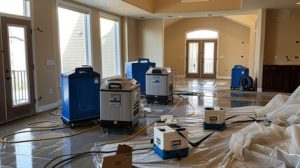
Structural drying in commercial water damage restoration involves a coordinated use of air movers, dehumidifiers, and environmental controls. High-capacity equipment is strategically positioned to create optimal airflow and humidity conditions. The goal is to accelerate evaporation while preventing secondary damage. Commercial-grade dehumidifiers remove moisture from the air, ensuring that evaporation can continue effectively. Continuous monitoring allows technicians to adjust equipment placement and maintain ideal drying conditions throughout the process.

To minimize business interruption, restoration professionals often implement phased restoration strategies. Instead of closing the entire facility, they divide the space into manageable sections. This approach allows unaffected areas to remain operational while restoration work continues in designated zones. Containment barriers and negative air systems may be used to prevent moisture or contaminants from spreading. By maintaining partial operations, businesses can reduce revenue loss and maintain a degree of normalcy.

Several key strategies help reduce downtime during commercial water damage restoration:

  1. Immediate mitigation to stop the source of water and begin extraction without delay.
  2. Strategic containment to isolate affected areas and keep unaffected zones operational.
  3. Coordinated scheduling to align restoration work with business hours when possible.

These measures collectively protect operational continuity while addressing structural concerns.

Another crucial component of commercial restoration is protecting critical assets. Businesses often rely on sensitive equipment, digital infrastructure, and inventory that may be vulnerable to moisture. Restoration teams prioritize safeguarding electronics, machinery, and documents. In some cases, equipment may need to be relocated temporarily to a dry environment. Data centers and specialized facilities may require climate-controlled conditions throughout the restoration process. Preserving these assets reduces replacement costs and supports faster operational recovery.

Mold prevention is also a high priority in commercial settings. Excess moisture can lead to microbial growth if not addressed promptly. Mold contamination not only damages materials but can also raise health concerns for employees and customers. Addressing moisture thoroughly during the drying phase minimizes the risk of future remediation projects. By preventing mold growth, businesses avoid additional closures and reputational risks.

Insurance coordination is another area where professional restoration services provide value. Commercial claims often involve detailed documentation requirements. Restoration teams document moisture readings, damage assessments, equipment usage, and progress reports. This thorough record-keeping supports smoother claims processing and ensures transparency. Accurate documentation helps businesses recover financially while focusing on operational recovery.

Effective communication during restoration is critical for minimizing disruption. Business owners, property managers, and restoration teams must collaborate to prioritize areas of concern and establish realistic timelines. Clear communication ensures that safety protocols are followed and that employees understand which areas are accessible. When staff are informed and operations are strategically managed, productivity losses can be significantly reduced.

Commercial water damage restoration also addresses long-term structural protection. Moisture trapped behind walls or beneath flooring can weaken materials over time. If left untreated, this hidden damage may result in costly repairs months or years later. Professional drying and inspection ensure that the building returns to acceptable moisture levels before reconstruction begins. This comprehensive approach protects the investment in the property and prevents recurring issues.

Business interruption planning should not begin after water damage occurs. Proactive property managers incorporate water damage response plans into their risk management strategies. These plans outline emergency contacts, shut-off procedures, and communication protocols. When a plan is in place, response times are shorter and confusion is minimized. Professional restoration partners often assist businesses in developing these preparedness strategies, strengthening resilience against future incidents.

The long-term benefits of commercial water damage restoration extend beyond immediate cleanup. They include:

  1. Reduced repair costs through rapid mitigation and targeted drying.
  2. Preservation of structural integrity and mechanical systems.
  3. Faster return to normal operations, protecting revenue streams and customer confidence.

These outcomes demonstrate why professional restoration is an essential investment rather than an optional expense.

In some industries, regulatory compliance adds another layer of complexity. Facilities must meet health and safety standards before reopening. Proper sanitation, moisture control, and environmental testing may be required. Professional restoration teams understand these standards and ensure that cleanup efforts align with regulatory expectations. This attention to compliance prevents delays and protects the business from potential penalties.

Reconstruction may follow the drying and mitigation phase if materials are beyond salvage. In commercial environments, reconstruction timelines are carefully coordinated to minimize operational impact. Scheduling work during off-hours or in stages allows businesses to resume operations as quickly as possible. Efficient project management during reconstruction further reduces downtime.

Employee morale and customer trust are often overlooked factors in disaster recovery. A swift, organized response demonstrates leadership and commitment to safety. When employees see proactive measures in place, confidence in the organization is reinforced. Customers and clients are more likely to remain loyal when disruptions are handled professionally and transparently. Commercial water damage restoration therefore contributes not only to physical recovery but also to brand stability.

In conclusion, commercial water damage restoration is about far more than drying floors and repairing walls. It is a strategic process designed to minimize downtime, protect revenue, and preserve long-term property value. Through rapid response, advanced structural drying techniques, containment strategies, and coordinated communication, professional restoration services help businesses navigate crises with resilience. By prioritizing both structural integrity and operational continuity, commercial water damage restoration safeguards one of a company’s most valuable assets: its ability to function. For business owners and property managers, investing in professional restoration services is a decisive step toward protecting their investment and ensuring sustained success even in the face of unexpected challenges.