Whether you’re planning on small upgrades or a major remodel, there are many safety concerns that need to be addressed. From ensuring that the correct tools are used to storing valuables safely, it’s important to be prepared before starting a project.
Separating work areas from living spaces is one of the best ways to reduce risks. This includes putting up barriers and locking doors to keep children and pets away from hazards. Visit Our Website to learn more.
1. Identify the Areas to be Worked On
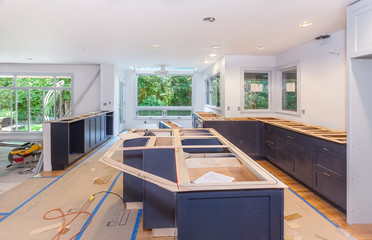
Home renovations of any size can turn a family’s daily living space into a construction zone. While there are plenty of ways to help homeowners and contractors navigate this transitional phase, safety considerations should not be overlooked. From properly storing valuables to securing the property against theft, implementing some basic safety tactics can keep everyone safe during the remodeling process.
The first step in ensuring remodeling projects go as smoothly as possible is to identify the areas that will be impacted. It’s best to separate workspaces from living areas, but this isn’t always feasible if the renovation is extensive. In this case, it’s important to plan out alternative exit routes so that household traffic patterns can be rerouted around the construction area.
Another crucial safety consideration is to ensure that the impacted areas are blocked off with physical and visual barriers to prevent people from accidentally entering the work zone. This is especially important for families with children or pets who could get hurt by being in the wrong place at the wrong time.
Creating these barriers isn’t only for residential homes; businesses can also use them to protect their employees. For example, a business can post signs that indicate that certain areas are off limits for workers and customers alike. They can also install motion detectors that will trigger a light when someone enters the premises, thus deterring thieves.
To further prevent accidents, a business can provide employees with personal protective equipment (PPE) such as back supports and lifting straps. These tools can reduce muscle strains and prevent back injuries while helping workers complete tasks more quickly and efficiently. In addition, companies can create training materials to teach their employees about common hazards and how to avoid them.
2. Identify the Areas to be Stayed Away From
Making structural changes to a home can introduce potential safety hazards, particularly without the proper professional guidance. For instance, removing load-bearing walls and modifying the foundation can affect the stability and structural integrity of the home, leading to damage and even injury if the work is not done properly. Similarly, changing electrical wiring can introduce electrical hazards that could result in serious injuries or fires.
Lumber, cinder blocks, dirt piles, and holes can all be tempting to children, who may unintentionally become injured or interfere with the renovation process by wandering into unsafe areas. To prevent this, designate a space away from the construction site where children can play and keep their toys to minimize the risk of them becoming involved with construction activities.
Additionally, it is helpful to plan for new traffic patterns and emergency exit routes so that family members can safely re-route their daily routines around the remodeling work zone. This will help reduce the stress of living in a construction zone and allow you to get back on track with your remodeling project more quickly. In addition, regular inspections should be made to ensure that any potential safety hazards are promptly addressed. This will also help maintain a clean and sanitary work environment.
3. Designate a Place for the Work to be Done
During remodeling projects, it’s best to create a safety zone that restricts access to hazardous areas. This minimizes accidents and helps keep the project on track. In addition to establishing a safe work area, effective communication between contractors and homeowners is essential to successfully implement precautionary measures. For example, educating children on safety issues and installing gates can help keep them away from construction zones. Similarly, coaching family members to respect the work zone and re-routing household traffic patterns promotes cooperation with remodelers and ensures that families are comfortable throughout the process. Finally, drafting a risk management system and packaging it with project proposals helps customers understand how their safety plans will impact the timeline and quote. This ensures that customers are fully prepared to safely undergo home renovation.
4. Create a Plan of Action
Creating a plan of action and setting realistic expectations is a vital part of home remodeling projects. It will help prevent customers from being shocked or frustrated when things go awry during the remodel. It will also help the contractors stay on schedule and minimize delays.
During the planning stage, be sure to discuss your company’s risk management system with your customers. This will let them know that you are committed to keeping them safe and will provide them with a timeline, quote, and details of your safety program.
Before the crew starts working on a project, it is important to relocate items that will be in the way of the construction process and properly store fragile items. Make a detailed inventory of all items in the work area and keep it updated throughout the project.
5. Set Realistic Expectations
Home remodeling can turn your house into a construction site and disrupt day-to-day routines. The best way to minimize disruptions is by setting realistic expectations for the project and planning accordingly. This will help you keep your family and pets safe during the remodeling process, as well as reduce stress for everyone involved.
It’s important to choose a contractor that prioritizes safety. During the selection process, you should evaluate the contractor’s experience and review their portfolio of previous projects. Look for examples of renovations that include safety upgrades, such as widening doorways and adding handrails. This will help ensure that your contractor can effectively incorporate these safety improvements into your home’s design without sacrificing style.
The most common causes of accidents at home improvement sites are falls and equipment malfunctions. To prevent these accidents, it’s vital to maintain good communication with your contractors and follow all safety guidelines. To do this, you should have a clear understanding of the project timeline and quote, and be open to discussing any changes that may impact this. This will help you avoid misunderstandings and protect yourself from liability.
During the remodeling process, you’ll have to accommodate daily routines while keeping your family and pets safe from hazards. This can be difficult, but you can make it work by establishing temporary living spaces and designingating areas of the home as construction zones. Additionally, it’s essential to store all building materials in a secure area where they aren’t accessible to children or pets.
It’s also important to prepare your family for potential disruptions during the remodel. This includes practicing escape routes and teaching your family members how to use any new safety features you add to the home.