Modern homes are designed to provide comfort, convenience, energy efficiency, and protection from the elements, but even the most well-maintained property can experience pest problems. Insects and rodents are constantly searching for food, water, warmth, shelter, and places to reproduce, and homes can provide all of these resources. Small gaps around doors, windows, plumbing lines, vents, roofing components, and foundations can give pests an opportunity to enter. Once inside, they may remain hidden behind walls, underneath appliances, inside cabinets, in attics, or in other areas that are rarely disturbed. Effective Ben’s Pest Control solutions for modern homes therefore require more than eliminating the pests that happen to be visible. A successful approach combines prevention, inspection, targeted treatment, sanitation, exclusion, and ongoing monitoring to create an environment that is less attractive to unwanted pests.
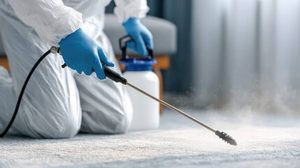
The way modern homes are built can sometimes create unique pest control challenges. Improved insulation and energy-efficient construction can reduce drafts and help maintain comfortable indoor temperatures, but tightly sealed spaces may also provide protected environments where pests can establish themselves if they find an entry point. Modern kitchens contain numerous appliances and plumbing connections, while garages, storage areas, utility rooms, and outdoor living spaces can provide additional hiding places. Because pest activity is often connected to the condition of the entire property, homeowners should consider pest prevention as part of routine home maintenance rather than something to address only after an infestation becomes obvious.
Understanding Common Pest Problems in Modern Homes
Pest problems can vary significantly depending on the property’s construction, moisture levels, landscaping, cleanliness, storage habits, and surrounding environment. Ants may enter through tiny openings while searching for food or water, whereas cockroaches often seek dark, warm, and humid areas. Rodents may enter through surprisingly small gaps and then use wall cavities, attics, garages, or other concealed areas as shelter. Termites can be especially concerning because much of their activity can occur out of sight, potentially affecting wooden components before homeowners notice clear signs of an infestation.
Other common household pests include spiders, flies, mosquitoes, silverfish, stinging insects, and various beetles. Although these pests differ in appearance and behavior, they often share one important characteristic: they are attracted to conditions that provide resources for survival. Standing water, food residue, overflowing garbage, moisture problems, clutter, and accessible entry points can all contribute to pest activity. Understanding why pests are entering a home is therefore an important first step toward choosing effective pest control solutions.
Homeowners should pay attention to early warning signs rather than waiting for pests to become widespread. Some common indicators include:
- Droppings or unusual debris: Small droppings, shed insect skins, nesting material, or damaged food packaging may indicate hidden pest activity.
- Unusual sounds or odors: Scratching, movement inside walls, persistent musty smells, or unusual odors around concealed areas can sometimes signal an infestation.
Identifying these warning signs early can make pest management more manageable. A small problem that is discovered quickly may require a much simpler response than an established infestation that has had months to spread throughout a property.
Seal Entry Points Around the Property
One of the most effective pest control solutions for modern homes is physical exclusion. No matter how effective a treatment may be, pests can return if they continue to have easy access to the building. Inspecting the exterior of a property for potential entry points can therefore play a major role in long-term pest prevention.
Homeowners should examine areas around doors, windows, vents, utility penetrations, plumbing connections, roofing components, foundations, and exterior walls. Cracks and gaps should be appropriately sealed, while damaged screens and weather stripping should be repaired or replaced. Garage doors should close properly, and openings around pipes or cables should not be unnecessarily exposed.
Even small openings can become access points for insects and rodents. Regularly inspecting the exterior is particularly useful because weather, aging materials, construction changes, and routine maintenance can gradually create new gaps. Keeping the building envelope in good condition not only supports pest prevention but can also contribute to energy efficiency and protection from moisture.
Control Moisture and Standing Water
Moisture is one of the most important factors influencing pest activity inside and around a home. Leaking pipes, dripping faucets, clogged drainage systems, condensation, roof leaks, and poor ventilation can create damp conditions that attract insects and provide favorable environments for certain pests.
Homeowners should address leaks promptly and investigate unexplained moisture rather than simply drying the affected surface. Bathrooms, kitchens, laundry areas, basements, utility spaces, and areas around air-conditioning equipment deserve particular attention because these locations can contain plumbing, drainage, or condensation sources.
Outdoor water should also be managed carefully. Containers, clogged gutters, poorly draining areas, and other locations where water accumulates can create conditions that support mosquito activity and other pests. Improving drainage and eliminating unnecessary standing water can make the property less attractive to pests before they have an opportunity to move indoors.
Maintain a Clean and Organized Home
Good sanitation is another fundamental component of effective pest control. Pests are naturally attracted to accessible sources of food and water, so keeping these resources protected can reduce the reasons for them to enter or remain inside a home. Even small amounts of food residue can attract insects, particularly when crumbs or spills remain in hidden areas.
Food should be stored in appropriate sealed containers, countertops should be cleaned regularly, and garbage should be managed properly. Areas underneath appliances and furniture should not be neglected because food particles and other debris can accumulate in places that are difficult to see.
Organization also matters. Cluttered storage spaces can provide insects and rodents with additional hiding places, making inspections and treatments more difficult. Cardboard boxes, unused materials, piles of clothing, and other stored items should be kept organized whenever possible. A cleaner, more accessible home makes it easier to identify pest activity and respond to it quickly.
Use Targeted Pest Control Treatments
When an infestation develops, professional pest control solutions can provide targeted treatment based on the pest species, location, and severity of the problem. Different pests require different strategies, and simply applying a general product throughout a home may not address the source of the infestation.
An effective pest control process generally begins with inspection and identification. The pest control professional can determine where activity is concentrated, identify possible nesting or feeding areas, and evaluate conditions that may be encouraging the infestation. Treatment can then be selected according to the circumstances.
Targeted pest management can be more practical than repeated attempts to eliminate individual pests. If ants are entering through a specific exterior opening, for example, treating only the ants that are visible inside may not resolve the underlying issue. Combining appropriate treatment with exclusion and environmental improvements can provide a more comprehensive solution.
Consider Preventive Pest Control
Preventive pest control is particularly valuable for modern homeowners who want to avoid recurring infestations. Instead of waiting until pest activity becomes obvious, routine inspections and preventive treatments can help identify potential problems before they become severe.
A preventive pest management program may include periodic inspections, exterior treatments, monitoring, entry-point assessments, and recommendations for correcting conditions that attract pests. The appropriate frequency depends on factors such as the property’s construction, pest history, environmental conditions, and the types of pests commonly encountered.
Preventive services can also make it easier to identify changes over time. A property that has never experienced significant pest activity can develop vulnerabilities as roofing materials age, landscaping changes, plumbing begins to leak, or small gaps develop around exterior components. Regular attention helps homeowners respond before these conditions become larger problems.
Protect Kitchens and Food Storage Areas
Kitchens are among the most attractive areas of a home for many pests because they provide easy access to food, water, warmth, and shelter. Crumbs beneath appliances, food residue inside cabinets, overflowing garbage, and unsealed pantry items can all contribute to pest activity.
Homeowners can reduce these risks by cleaning spills promptly, maintaining clean appliances, storing dry goods appropriately, and keeping food waste contained. Pantry shelves should also be inspected periodically for signs of insects or damaged packaging. If pests are discovered in food storage areas, the source should be investigated rather than simply removing the visible insects.
Because kitchens often contain plumbing connections and appliances, moisture control is equally important. Leaks beneath sinks, around dishwashers, or near refrigerators can create conditions that encourage pest activity. Keeping these areas dry and well-maintained can make the kitchen significantly less appealing to unwanted pests.
Address Outdoor Areas and Landscaping
Pest prevention does not stop at the exterior walls. Outdoor conditions can influence how easily pests approach and enter a home. Overgrown vegetation, accumulated leaves, standing water, unmanaged waste, and excessive moisture around the foundation can all create favorable habitats.
Trees, shrubs, and other vegetation should be maintained so they do not unnecessarily contact the building. Outdoor storage should also be organized, and unnecessary piles of materials should be removed. Gutters and drainage systems should be maintained so water does not remain close to the structure.
Outdoor lighting can also influence insect activity because certain insects are attracted to light sources. While lighting may not be the primary cause of an infestation, homeowners who frequently experience insects around entrances can consider how lighting placement and property conditions may contribute to the problem.
Choose Responsible Pest Management Practices
Modern pest control is increasingly focused on using practical, targeted, and responsible management strategies. Effective pest control does not necessarily mean treating every surface of a property indiscriminately. Instead, the goal is to identify the pest, understand its behavior, locate areas of activity, and apply appropriate measures where they are needed.
Homeowners should follow all instructions provided by pest control professionals regarding preparation, treatment areas, ventilation, and re-entry. Pets and household members should be kept away from treatment areas when instructed, and products should always be used according to their labels and intended applications.
Professional guidance can be especially useful when an infestation is persistent, widespread, or difficult to identify. Repeatedly trying different products without understanding the source of the problem can waste money while allowing the infestation to continue.
Make Pest Prevention Part of Home Maintenance
The most effective pest control solutions for modern homes combine immediate treatment with long-term prevention. Homeowners can make a significant difference by keeping their property clean, managing moisture, sealing entry points, maintaining outdoor areas, and addressing warning signs quickly. Professional inspections and preventive pest control can provide another layer of protection, particularly for homes that have experienced recurring pest activity.
Pest control should be viewed as an ongoing part of responsible property maintenance rather than a one-time task. Buildings change over time, and new vulnerabilities can develop as materials age, weather affects exterior surfaces, plumbing systems require repairs, and household habits change. Regular inspections make it easier to catch these vulnerabilities before pests take advantage of them.
Creating a More Pest-Resistant Home
A modern home should provide comfort and security, and effective pest management is an important part of maintaining that environment. Insects and rodents can damage property, contaminate food, create unpleasant living conditions, and become increasingly difficult to manage when infestations are ignored. Fortunately, homeowners have several options for reducing these risks.
The strongest approach combines prevention, exclusion, sanitation, moisture management, targeted treatments, and professional assistance when necessary. Instead of focusing only on eliminating visible pests, homeowners should consider what attracts pests and how they gain access to the property. By addressing those underlying conditions, it becomes possible to create a home that is significantly less welcoming to unwanted insects and rodents.
Ultimately, effective pest control solutions for modern homes are about staying proactive. Small repairs, regular cleaning, proper food storage, exterior maintenance, and timely inspections can prevent minor issues from becoming major infestations. With consistent attention and an integrated pest management approach, homeowners can protect their property, maintain a healthier indoor environment, and enjoy greater peace of mind throughout the year.