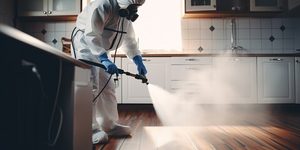
Pest control services play an essential role in protecting homes, businesses, and other properties from unwanted insects, rodents, and other pests. While seeing an occasional pest may seem like a minor inconvenience, an infestation can quickly become a much larger problem when pests have access to food, water, shelter, and suitable nesting conditions. Professional pest control services provide a practical approach to identifying pest activity, addressing existing infestations, and reducing the conditions that allow pests to return. With the right pest management strategy, property owners can maintain cleaner, safer, and more comfortable indoor and outdoor environments while avoiding the long-term damage that uncontrolled pest activity can cause.
Pests can enter a property through surprisingly small openings, including cracks around doors and windows, gaps in walls, damaged screens, openings around pipes, and other structural weaknesses. Once inside, they may hide in walls, ceilings, cabinets, crawl spaces, attics, basements, or other areas that are difficult to inspect. Some pests reproduce rapidly, meaning a small problem can develop into a significant infestation before it becomes obvious. This is one reason professional pest control is often more effective than simply treating the pests that are immediately visible. A comprehensive approach looks beyond the symptoms and considers where pests are coming from, what is attracting them, and what can be done to prevent continued activity.
Why Professional Pest Control Services Matter
Professional pest control services are designed to provide more than a temporary solution. Effective pest management involves inspection, identification, treatment, monitoring, and prevention. Different pests behave differently and may require completely different control methods. Ants, cockroaches, termites, rodents, mosquitoes, flies, spiders, and stinging insects each have their own habits, nesting patterns, food sources, and entry points. Attempting to treat every pest problem in the same way can result in wasted time and ineffective treatment. Professional pest control technicians can evaluate the situation and develop an appropriate strategy based on the type and severity of the infestation.
Another important advantage is the ability to identify potential pest problems before they become severe. Regular pest inspections can uncover signs that homeowners or property managers might overlook, such as droppings, nesting materials, damaged wood, unusual odors, grease marks, insect activity, or small structural openings. Early detection can make pest control considerably easier because the infestation may still be limited to a particular area. Addressing problems early can also help reduce the possibility of costly repairs associated with prolonged pest activity.
There are several common reasons property owners choose professional pest management:
- Preventing property damage: Certain pests can damage wood, insulation, electrical components, stored materials, and other parts of a structure. Early treatment can help minimize these risks.
- Protecting health and sanitation: Some pests can contaminate food, surfaces, and living areas with bacteria, allergens, droppings, or other contaminants. Effective pest management helps maintain a cleaner environment.
Professional pest control can also provide greater peace of mind. Discovering pests in a kitchen, bedroom, attic, garage, or workplace can be stressful, particularly when the source of the infestation is unclear. A structured pest management program gives property owners a better understanding of the problem and the steps needed to resolve it. Instead of repeatedly treating visible pests without addressing the underlying issue, professional services focus on creating conditions that are less attractive to pests in the first place.
Common Pest Problems That Require Attention
Different properties experience different pest pressures depending on construction, cleanliness, moisture levels, landscaping, weather conditions, and available food sources. Cockroaches, for example, are often attracted to food particles, moisture, and warm hidden areas. Rodents may seek shelter inside walls, attics, garages, and storage areas, particularly when outdoor conditions become less favorable. Ants can establish colonies near structures and enter through extremely small openings in search of food and water.
Termites deserve particular attention because their activity may remain hidden for extended periods. Unlike pests that are easily noticed, termites can damage structural wood from inside or underneath a property. Other pests, such as mosquitoes and stinging insects, can make outdoor areas uncomfortable and may create additional concerns for people spending time around the property. Identifying the pest correctly is therefore an important part of effective pest control. The treatment should target the pest’s behavior and habitat rather than simply eliminating the insects or animals that happen to be visible.
The Importance of Preventive Pest Management
Pest control should not always begin after an infestation has become obvious. Preventive pest management can help reduce the likelihood of recurring problems by addressing conditions that encourage pest activity. Property owners can support professional treatments by keeping food properly stored, removing standing water, repairing leaks, maintaining clean storage areas, sealing cracks and openings, and keeping vegetation appropriately maintained around structures.
Routine inspections are particularly useful for properties with a history of pest problems. Even after an infestation has been eliminated, pests can return if the original entry points or environmental conditions remain unchanged. Preventive service allows potential problems to be identified and addressed before they develop into larger infestations. This proactive approach can be especially valuable for property owners who want to protect their investment and maintain consistent indoor comfort throughout the year.
Choosing Effective Pest Control Services
When selecting pest control services, property owners should consider the company’s experience, treatment approach, communication, inspection process, and commitment to responsible pest management. A quality service provider should be willing to explain what type of pest has been identified, where activity is occurring, what treatment methods may be appropriate, and what preventive measures can help reduce future activity.
It is also important to remember that successful pest control is often a process rather than a single event. Depending on the pest and the severity of the infestation, follow-up visits and ongoing monitoring may be necessary. A long-term approach can provide better results than repeatedly responding to individual sightings. Property owners should also follow any preparation and post-treatment instructions provided by their pest control professional to support the effectiveness of the service.
Keep Your Property Protected From Pests
Pest control services offer an important line of defense against insects, rodents, and other unwanted pests. From identifying hidden infestations to preventing recurring activity, professional pest management can help protect property, support better sanitation, and create a more comfortable living or working environment. The most effective strategy combines professional treatment with practical prevention, regular inspections, and attention to the conditions that attract pests.
Rather than waiting until a minor pest problem becomes a serious infestation, property owners can take a proactive approach by addressing warning signs early and maintaining appropriate preventive measures. With professional pest control and consistent property maintenance working together, it becomes much easier to keep unwanted pests under control and protect the condition and comfort of the property over the long term.