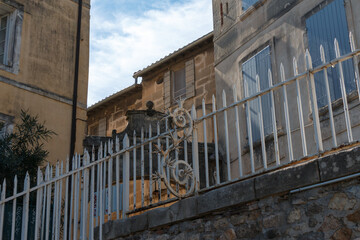
Some of the most striking elements in modern spaces are not always the largest structures, but the details that bring everything together. A sleek railing, a sculptural staircase, or a carefully crafted façade can transform an ordinary space into something memorable. Behind these features lies the art of architectural metal works, a discipline that blends engineering, creativity, and craftsmanship into functional design.
Architectural Metal Works play a vital role in shaping both interior and exterior environments. They provide structural support while also contributing to the aesthetic identity of a space. From bold statement pieces to subtle design accents, metal has become an essential material in contemporary architecture, offering durability, versatility, and visual impact.
Understanding Architectural Metal Works
Architectural metal works refer to the design, fabrication, and installation of metal elements used in buildings and structures. These elements can range from structural components to decorative features that enhance the overall appearance of a space.
This field combines technical precision with artistic vision. Designers and fabricators work closely to ensure that each piece meets both functional requirements and design expectations. Every detail, from dimensions to finishes, is carefully planned to achieve a cohesive result.
Metal works are often custom made to fit specific architectural needs. This allows for unique designs that cannot be achieved with standard materials or prefabricated components. The result is a tailored solution that integrates seamlessly with the overall design of a building.
Materials Commonly Used in Architectural Metal Works
The choice of material is a key factor in architectural metal works, as it influences both performance and appearance. Different metals offer distinct advantages depending on the application.
Steel is widely used for its strength and versatility. It is suitable for structural elements such as beams, staircases, and frameworks. Steel can also be finished in various ways to achieve different visual effects.
Stainless steel is valued for its resistance to corrosion and its clean, modern look. It is often used in railings, panels, and decorative features where both durability and appearance are important.
Aluminum is a lightweight option that offers excellent resistance to rust. It is commonly used for exterior applications, including cladding and window frames.
Brass and copper are often chosen for their decorative qualities. These metals develop unique finishes over time, adding character and depth to architectural designs.
Selecting the right material ensures that the metal work performs effectively while complementing the overall design.
Applications in Modern Architecture
Architectural metal works are used in a wide range of applications, making them a versatile component of modern construction. Staircases and railings are among the most common uses, providing both functionality and visual appeal.
Metal is also used in façades and cladding systems. These elements can define the exterior of a building, creating a distinctive look while protecting the structure from environmental factors.
Gates, fences, and entryways are another important application. These features combine security with design, creating a strong first impression while serving practical purposes.
Interior elements such as partitions, screens, and decorative panels also benefit from metal fabrication. These features can add texture and dimension to a space without compromising openness.
The adaptability of metal allows it to be used in both large scale structures and intricate design details.
The Role of Custom Fabrication
Custom fabrication is at the heart of architectural metal works. Unlike standard components, custom pieces are designed to meet specific requirements and design visions.
The process begins with detailed planning and design. Measurements, materials, and finishes are carefully selected to ensure that the final product aligns with the overall concept.
Fabrication involves cutting, shaping, and assembling metal using specialized techniques. Precision is essential at every stage to ensure accuracy and quality.
Advanced technology, such as computer controlled machinery, has enhanced the capabilities of fabrication. These tools allow for complex designs and high levels of detail that were once difficult to achieve.
Custom fabrication ensures that each piece is unique and tailored to its intended environment, making it a key aspect of architectural metal works.
Balancing Functionality and Aesthetics
One of the defining characteristics of architectural metal works is the balance between functionality and aesthetics. Each element must perform its intended role while also contributing to the visual appeal of the space.
Structural components, such as beams and supports, must meet safety and performance standards. At the same time, they can be designed to complement the architectural style of the building.
Decorative elements, such as railings and panels, must maintain durability while enhancing the overall design. This requires careful consideration of both form and function.
The ability to achieve this balance is what makes architectural metal works so valuable. It allows designers to create spaces that are both practical and visually engaging.
The Impact of Finishes and Detailing
Finishes and detailing play a significant role in the final appearance of metal works. The surface treatment of metal can dramatically change its look and feel.
Polished finishes create a sleek and reflective surface that is often used in modern designs. Brushed finishes offer a more subtle and textured appearance, adding depth without excessive shine.
Coatings, such as powder coating or paint, provide both protection and color. These finishes can be customized to match the design of the space while enhancing durability.
Detailing, such as patterns, textures, and joints, adds character to metal works. These elements can transform a simple structure into a visually striking feature.
Attention to detail ensures that the final product meets both aesthetic and functional expectations.
Sustainability and Longevity in Metal Design
Sustainability is becoming an increasingly important consideration in architectural metal works. Metal is a recyclable material, making it a more environmentally responsible choice compared to some alternatives.
Many fabrication processes now focus on reducing waste and improving efficiency. This helps minimize the environmental impact while maintaining high quality standards.
The longevity of metal is another key advantage. Durable materials require fewer replacements over time, which reduces resource consumption and maintenance costs.
By combining sustainable practices with durable materials, architectural metal works contribute to more responsible and efficient building design.
The Future of Architectural Metal Works
As design trends continue to evolve, architectural metal works are adapting to meet new demands. Advances in technology are expanding the possibilities of what can be achieved with metal.
Innovative fabrication techniques allow for more complex and creative designs. This opens new opportunities for architects and designers to explore unique concepts.
The integration of metal with other materials, such as glass and wood, is also becoming more common. This creates dynamic combinations that enhance both functionality and aesthetics.
As sustainability and efficiency become more important, metal will continue to play a key role in modern architecture. Its versatility and strength make it a valuable material for future developments.
Final Thoughts
Architectural metal works represent a perfect blend of strength, precision, and artistic expression. They shape the spaces we live and work in, providing both structural support and visual impact.
From custom staircases to decorative panels, metal elements bring durability and design together in a way that enhances both form and function. Their adaptability allows them to fit a wide range of applications, making them an essential part of modern architecture.
With ongoing innovation and a focus on sustainability, architectural metal works continue to evolve, offering new possibilities for creative and functional design. They stand as a testament to the power of combining craftsmanship with technology, resulting in spaces that are both practical and inspiring.