Architectural Metal Works have become an increasingly important element of modern construction and design, bringing together durability, functionality, precision, and visual appeal in ways that can transform both interior and exterior spaces. From decorative railings and custom staircases to structural features, metal screens, gates, frames, partitions, and specialized architectural details, metal can be shaped and finished to suit an impressive range of design concepts. Unlike materials that may be limited by their form, architectural metals offer flexibility that allows designers, builders, and property owners to create distinctive features while maintaining the strength required for everyday use. When thoughtful design is combined with accurate fabrication and professional installation, architectural metal works can become lasting components of a property rather than simple decorative additions.
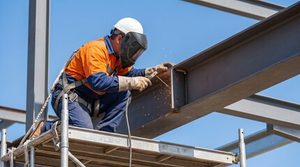
The appeal of architectural metal fabrication comes from its ability to balance seemingly different qualities. Metal can provide a strong structural presence while still appearing elegant and refined. It can be formed into clean geometric lines for contemporary architecture or shaped into intricate patterns for more traditional designs. Finishes can also change the character of the material, allowing the same basic metal component to look industrial, sophisticated, minimalist, decorative, or understated. This versatility makes architectural metal work valuable across residential, commercial, institutional, hospitality, and other construction applications. More importantly, well-designed metal features can contribute to the overall identity of a building while serving a practical purpose.
The Role of Architectural Metal Works in Modern Design
Architectural metal works are not simply about adding metal to a building. They involve carefully considering how a metal component interacts with the architecture surrounding it. Proportion, scale, geometry, texture, finish, lighting, circulation, and functionality all influence the final result. A staircase railing, for example, needs to provide appropriate support while complementing the staircase and surrounding interior. A decorative metal screen may need to provide visual separation without making an area feel enclosed. Exterior gates and fencing may need to balance security with accessibility and visual character.
This combination of design and engineering is what makes architectural metal fabrication different from basic metalworking. Each component may need to be measured, detailed, fabricated, finished, transported, and installed according to the specific requirements of the project. Even relatively simple-looking pieces can require considerable precision because small inconsistencies can become obvious once a component is installed within a carefully designed architectural space.
Custom Metal Fabrication for Unique Spaces
One of the greatest advantages of architectural metal works is customization. Standardized building components can be useful for many projects, but custom fabrication provides much greater flexibility when a particular design requires unusual dimensions, shapes, patterns, or finishes. Architects and designers can develop concepts that would be difficult to achieve using off-the-shelf products, while skilled fabricators can translate those concepts into functional metal components.
Custom metal fabrication may involve curved elements, complex angles, decorative patterns, perforations, geometric forms, or combinations of different metal components. Digital design and precision fabrication equipment have also made it possible to reproduce detailed designs with greater consistency. This means a concept can move from an initial drawing to a carefully fabricated component while maintaining the intended proportions and dimensions.
The customization process typically depends on several important stages:
- Design and planning: Measurements, drawings, material specifications, finishes, connection details, and functional requirements are established before fabrication begins.
- Precision fabrication and installation: Components are cut, formed, welded, finished, inspected, and installed according to the approved design and site conditions.
This structured process helps minimize errors and ensures that the finished metalwork performs as intended while maintaining the desired appearance.
Strength and Structural Performance
Strength is one of the primary reasons metal remains an important material in architectural construction. Properly selected and fabricated metal can withstand significant levels of everyday use while maintaining its shape and functionality. This makes it suitable for applications such as railings, stairs, structural supports, frames, canopies, screens, barriers, and other architectural features that need to perform reliably.
However, strength does not simply depend on choosing a metal material. Design, dimensions, connections, fabrication techniques, installation methods, and environmental conditions all influence performance. A beautifully fabricated component is only successful when it is appropriately designed for the demands placed upon it. This is particularly important for architectural features that people regularly touch, climb, lean against, or walk across.
Precision therefore plays a central role in architectural metalwork. Measurements must be accurate, joints need to be properly aligned, and connection points must be carefully considered. Professional fabrication helps ensure that individual components fit together correctly and that the finished installation has both visual consistency and functional reliability.
Architectural Railings and Balustrades
Railings and balustrades are among the most recognizable applications of architectural metal works. They can be used along staircases, balconies, walkways, platforms, terraces, and other areas where a protective barrier or handrail is required. While their primary function is safety and support, railings also have significant visual impact.
A simple metal railing with clean lines can reinforce a minimalist design, while a decorative railing with detailed patterns can become a focal point within an interior or exterior space. Materials, finishes, profiles, spacing, and mounting methods can all be customized according to the architectural concept.
Because railings are highly visible and frequently used, both aesthetics and performance matter. A professionally fabricated railing should feel secure and stable while maintaining consistent alignment and finish. Proper installation is equally important because even precisely fabricated metalwork can perform poorly if it is incorrectly mounted.
Custom Staircases and Metal Structures
Metal is also widely used in custom staircase construction because it can provide strength while allowing designers considerable freedom with form. Metal stair stringers, supports, handrails, frames, platforms, and other components can be combined with materials such as wood, glass, stone, or composite surfaces to create distinctive architectural features.
A staircase often occupies a visually important part of a building, which means its design can influence the character of an entire space. Open metal structures can create a lighter visual appearance, while heavier steel forms can emphasize an industrial or structural aesthetic. Curved staircases, floating designs, and geometric configurations can also be developed using carefully engineered metal components.
Because staircases combine structural requirements with human movement, precision is particularly important. Treads, handrails, supports, and connections must work together correctly. Accurate fabrication and installation help create a staircase that is not only visually impressive but also comfortable and reliable for everyday use.
Decorative Metal Screens and Partitions
Architectural metal screens and partitions provide another opportunity to combine function with design. These elements can divide spaces, provide privacy, control views, create visual interest, or influence how light moves through a building. Patterns can range from simple repeated shapes to highly detailed custom designs.
Perforated and patterned metal screens can create dynamic shadows as natural or artificial light passes through their openings. This can add depth and movement to otherwise simple architectural spaces. Because the pattern itself becomes part of the design, the fabrication process must maintain consistency throughout the component.
Metal partitions can also be used to define spaces without creating completely solid walls. In open-plan interiors, for example, a decorative metal divider can establish a visual boundary while allowing light and air to move through the area. This makes architectural metalwork particularly useful for contemporary designs that prioritize openness and flexibility.
Gates, Fences, and Exterior Features
Exterior architectural metalwork can improve both security and curb appeal. Custom gates, fencing, screens, entry features, and exterior frames can be designed to complement the overall architecture while providing practical functions. Unlike purely decorative elements, exterior metalwork must also withstand exposure to changing weather conditions.
Material selection and surface finishing are therefore particularly important for outdoor applications. Appropriate coatings and finishes can help protect metal against corrosion, moisture, oxidation, and environmental wear. Regular maintenance can further extend the useful life of exterior architectural metal components.
Custom exterior features can also establish a strong first impression. An entrance gate or architectural screen may be one of the first elements visitors see, making its proportions, pattern, finish, and craftsmanship important contributors to the character of the property.
The Importance of Precision in Metal Fabrication
Precision is one of the defining characteristics of quality architectural metal work. A project can have an excellent concept, but inaccurate fabrication can compromise both its appearance and performance. Measurements need to be carefully confirmed, fabrication drawings must be detailed, and components should be inspected before they reach the installation stage.
Modern fabrication methods allow many components to be produced with a high degree of consistency. Computer-aided design, precision cutting, forming equipment, and advanced welding techniques can help fabricators achieve complex shapes and repeatable results. However, technology does not eliminate the importance of craftsmanship. Experienced professionals still need to interpret designs, understand material behavior, account for site conditions, and make practical decisions during fabrication and installation.
Attention to detail can be particularly important when multiple metal components must align with architectural elements. Small differences in height, spacing, angle, or finish may be noticeable once the pieces are installed. Precision helps ensure that the final installation looks intentional and professionally executed.
Choosing the Right Metal and Finish
Different architectural applications require different material characteristics. Factors such as strength, weight, corrosion resistance, appearance, cost, fabrication requirements, and maintenance needs should all be considered when selecting a material. The intended environment also matters because interior and exterior applications may experience very different conditions.
Finishing is another important part of architectural metal fabrication. Polished, brushed, textured, painted, coated, or other finishes can dramatically change the appearance of the same underlying material. The finish should complement the architecture while providing an appropriate level of durability for its intended application.
A carefully selected finish can also help unify different architectural components. Matching or coordinated metal finishes across railings, doors, partitions, fixtures, and exterior elements can create visual continuity throughout a property.
Durability and Long-Term Value
A major benefit of architectural metal works is their potential for long-term durability. Properly designed, fabricated, finished, and maintained metal components can remain functional and attractive for many years. This durability can make custom metalwork a worthwhile investment, particularly when it replaces materials that may require more frequent repairs or replacement.
Maintenance requirements depend on the material, finish, location, and exposure conditions. Interior metalwork may require little more than routine cleaning, while exterior components may require periodic inspections and maintenance to address surface wear or corrosion. Identifying minor issues early can help prevent more significant deterioration.
Long-term value also comes from the adaptability of metal. Because it can be fabricated into highly specific forms, architectural metalwork can be designed around the needs of a property rather than forcing the architecture to accommodate generic components.
Sustainability and Responsible Material Use
Sustainability is increasingly influencing construction and architectural decisions, and metal can play a role in responsible building practices. Many metal materials can be recycled, and durable components can reduce the need for frequent replacement. Designing products for long service life is itself an important part of reducing material consumption over time.
Responsible fabrication also involves using materials efficiently and minimizing unnecessary waste during cutting and production. Accurate digital planning can help optimize material usage, while proper fabrication techniques can reduce errors and the need to remake components.
For property owners and design professionals, considering durability, maintenance, recyclability, and material efficiency can help create architectural features that deliver value over a longer period.
Why Professional Architectural Metal Work Matters
Architectural metal work requires a combination of design understanding, fabrication expertise, engineering awareness, precision, and installation skill. Choosing an experienced professional for a project can help ensure that the finished components are suitable for their intended purpose and integrated properly into the building.
Professional fabrication also provides greater consistency between the original design and the final installation. From initial measurements to material selection, fabrication, finishing, transportation, and installation, each stage contributes to the final quality of the project.
This level of attention is particularly important for custom work because every project may involve different dimensions, architectural details, structural requirements, and site conditions. A professional approach reduces the likelihood of avoidable fabrication problems and helps ensure that the finished metalwork performs as expected.
Where Design Meets Strength and Precision
Architectural metal works demonstrate how construction materials can become an important part of a building’s visual identity while continuing to provide practical performance. Their combination of strength, versatility, precision, and customization allows designers and property owners to explore possibilities that may not be achievable with standard building components.
From custom railings and staircases to decorative screens, gates, partitions, structural features, and exterior architectural details, metal can contribute both function and character. The best results come from treating fabrication as an integrated part of the architectural process rather than an afterthought. Careful design, accurate measurements, appropriate material selection, skilled fabrication, quality finishing, and professional installation all contribute to a successful result.
Ultimately, architectural metal works are where design meets strength and precision. When craftsmanship and engineering work together, metal can become more than a durable construction material. It can become a defining architectural feature that improves functionality, enhances visual appeal, and provides lasting value. For modern construction and renovation projects, thoughtfully designed architectural metalwork offers an effective way to create spaces that are distinctive, durable, and built to perform for years to come.